Introduction
Drainage might not be the first thing that comes to mind when managing a paddock, but over time it plays a big part in how your land performs and holds up. If water isn’t moving properly through the soil or off the surface, it can chip away at your paddock’s health little by little. Good drainage does more than keep things dry. It protects your pasture from damage, keeps livestock comfortable and safe, and helps the ground stay firm enough for machinery when needed.
Spotting drainage issues early makes a huge difference. Ignoring small signs now can lead to longer-term problems that are expensive and hard to undo. Whether you’ve just taken over a plot of land or you’ve noticed some unusual changes after heavy rain, knowing what to look for gives you a head start. Here are some signs your paddock might be struggling with water management.
Signs Of Poor Drainage
Some signs of poor drainage may seem minor at first, but they can quickly grow into issues that compromise the land’s structure and health. Whether you’re managing land for horses, sheep or simply maintaining fields, learning what to watch for makes all the difference.
Here are the most common signs to look out for:
– Standing or pooling water: After rainfall, water should naturally absorb into the ground or run off. If it’s gathering and sticking around for hours or even days, that’s a clear sign something isn’t right.
– Muddy, boggy areas: Parts of the paddock that remain wet while others dry out quickly could point to low spots or compacted areas where drainage is slow or blocked.
– Uneven or lumpy ground: Water might be washing away finer materials in the soil, leading to sunken spots or unexpected dips and humps throughout the field.
– Unusual plant growth: Moss, algae or thick patches of rushes often grow where the ground stays too wet. These plants tend to take hold in areas with poor air circulation in the soil and excessive moisture.
An example would be noticing that the same patch near your gate turns into a mushy mess every time it rains. That sort of repeated issue suggests water isn’t draining properly in that zone and it’s not likely to improve on its own. Being alert to these small details can protect your paddock from heavier wear and future repairs.
Causes Of Poor Drainage
Once you’ve spotted signs of water not moving like it should, the next step is digging into what’s causing it. There are a few common reasons that paddocks across Hampshire deal with poor drainage. Each one affects how the land handles rainfall and groundwater.
1. Compacted soil
Heavy foot or vehicle traffic can press soil together over time. When air pockets are squeezed out, water can’t seep through like it’s supposed to. Instead, it pools on the surface or slowly spreads, turning the area into a constant bog.
2. Improper grading
If the paddock isn’t shaped to let water flow in the right direction, you’re bound to have water collecting in flat or low areas. Even a light slope can make a big difference. Without it, the water has nowhere to go.
3. Blocked or poor drainage systems
Some paddocks have basic drainage solutions like ditches, field drains or shallow channels. But if they’re clogged with soil, roots or debris, those systems can’t do their job. Problems can also crop up if they weren’t installed properly in the first place or are just out of date.
The cause will usually tie into the layout, use and condition of your paddock. Understanding where the water’s being held up helps when deciding how to fix it. Identifying what’s making the drainage go wrong is a step you don’t want to miss. Once you know what’s working against you, you’re better prepared to deal with it.
Solutions For Improving Drainage
Once you know what’s behind your drainage issues, it’s time to take sorted action. Fixing the problem often means adjusting how the land absorbs, holds or moves water. Summer is a good time to tackle this work, especially in Hampshire, when the ground tends to be drier and easier to shape.
Here are a few solutions that could help improve paddock drainage:
– Aeration: If the soil is compacted, breaking it up using an aerator can allow water to seep in more easily. This helps the soil breathe, reducing standing water and improving root growth if you’re also seeding pasture grass.
– Regrading the surface: Sometimes the problem isn’t what’s under the surface, but the way it’s shaped. Adjusting the slope of the land encourages water to move away from problem areas. Even small changes in the lay of the ground can make a real difference.
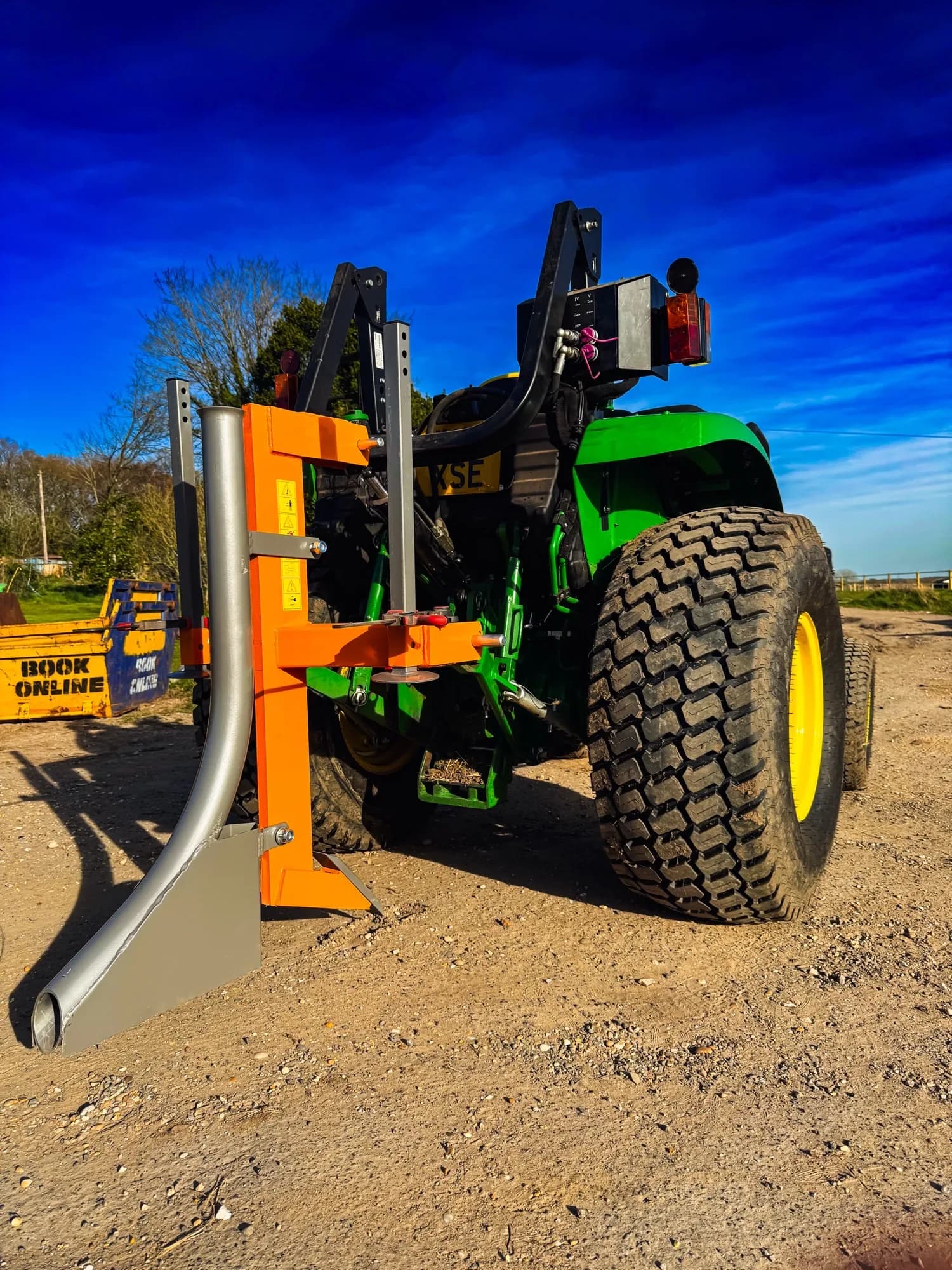
– Installing or repairing drainage systems: Where natural flow isn’t enough, you may need a more structured fix. Shallow drainage ditches or systems like French drains guide water away, keeping paddocks from getting waterlogged. They work best when properly spaced and directed somewhere the water can run off safely.
A landowner north of Basingstoke had repeated issues with one side of their paddock holding water every summer. After evaluating the site, the fix involved a bit of regrading and adding a trench drain that led into a hedgerow boundary. That paddock hasn’t seen a pool of water since.
Getting the drainage right, especially before wet autumn weather returns, sets your land up for a smoother year. It also cuts down on muck, hoof damage and patchy grass in drier seasons.
When To Seek Professional Help
Every paddock is different, and not all drainage problems can be solved with a bit of surface work. Knowing when it’s time to call in expert help can prevent things from going downhill quickly.
It’s probably time to get help if:
– The paddock stays wet long after rain has stopped
– You’ve tried surface-level fixes but the issue keeps coming back
– More than one section of the field seems affected
– Water is causing erosion or damaging fencing and structures
A proper inspection can uncover issues not visible from the surface. Often, drainage problems come down to how layers of soil and clay interact beneath the top layer. A professional can assess the land and recommend fixes that last, saving time and repeat costs in the long run.
Good drainage doesn’t always mean big, costly installations. Sometimes it’s knowing exactly where to dig or how deep to go. And while it’s tempting to patch the issue for now, ongoing disruption can affect your grazing, livestock comfort and access to machinery. It’s worth getting it sorted properly.
Helping Your Land Stay Healthier Throughout The Year
Drainage problems can creep in slowly, but once you know what to look for like pooling water, soggy ground or strange plant growth you’ll spot them early. Understanding where the blockage starts, whether it’s compacted soil or poor grading, puts you in a better position to fix it quickly and avoid bigger issues.
A well-drained paddock is easier to manage through every season. Staying ahead of changes by walking the land regularly, especially after heavy rainfall, gives you the best chance to catch trouble before it forces bigger repairs. When things feel too complex or problems stick around, there’s no harm in calling someone who knows paddock care inside and out. A fresh set of eyes with the right tools might be exactly what’s needed to get your land back on track.
Ensuring your paddock remains in top condition means staying on top of drainage issues. If you’re looking for thorough support in maintaining your land efficiently, trust Hampshire Paddock Management to provide expert advice and services. Learn more about how our approach to paddock care can help you overcome any challenges and keep your paddock at its best throughout the year.