Introduction
A patchy paddock can run havoc with the cost of feeding your horses. Bare spots, uneven colour, and thinning grass often leave paddock owners wondering where it all went wrong. In Hampshire, summer paddocks and fields can take a beating from both weather and daily use, especially in areas with frequent foot, horse and vehicle traffic. Sometimes, no matter how much you water or mow, those brown or thinning patches refuse to bounce back.
That’s where overseeding comes into play. Overseeding is a method that offers an easy way to refresh tired-looking grass without starting from scratch. When done right and at the right time, overseeding helps fill in gaps, thicken growth, and restore the paddocks’s appearance. If you’ve been scratching your head trying to fix a paddock that just won’t cooperate, overseeding might be the simple fix you’ve been looking for.
Understanding Paddock Patchiness
Before jumping into solutions, it helps to know what caused the problem in the first place. A patchy paddock doesn’t just happen overnight. It often comes from a mix of issues that build up over time.
Here are some of the most common reasons:
– Poor soil quality: Compacted or nutrient-poor soil can lead to weak grass growth and patchiness. Hampshire’s mix of clay and chalky soils can contribute to this if not managed properly.
– Pest damage: Certain insects or grubs feed on grass roots, causing sections of lawn to die off.
– Heavy foot traffic: Constant walking or playing in the same areas wears down the grass and creates bare spots.
– Lack of water: Long, dry spells without enough watering can weaken and dry out parts of the lawn.
– Disease or fungus: Brown or yellow patches that seem to spread may come from fungal problems, especially in humid or wet conditions.
Now that you know what might be causing the issue, how can you tell if your lawn could benefit from overseeding? Look out for:
– Thinning grass, especially in sunny or high-traffic areas
– Patches where weeds are starting to take over
– Bare spots that aren’t recovering on their own
– A paddock that looks dull and unhealthy even with regular care
If any of this sounds familiar, overseeding could help breathe life back into your grass without needing to re-turf the whole field.
What Is Overseeding?
Overseeding is the process of spreading new grass seed over existing turf. Rather than digging up your old paddock, you plant fresh seed directly into it. The goal is to thicken the grass and fill in patchy or worn-out areas.
This method improves the look of your paddock while making it stronger in the long run. Fresh seed mixes often contain hardy, disease-resistant varieties that perform better than older grass. Adding these to your current paddock helps it fight off pests, stay greener, and cope better with weather changes.
Timing matters too. Since this article is geared for mid-summer in the UK, it’s worth noting that while spring and early autumn are ideal, late summer can still be workable. Especially in Hampshire where summers are milder. If the ground is kept moist and there’s enough daylight left, you can still see good results from overseeding in July.
The key is preparation. Overseeding won’t fix every problem on its own, but when combined with solid prep and follow-up care, it’s a practical fix for patchiness that’s quicker and cheaper than laying new turf.
The Lawn Overseeding Process
Getting the timing right is one thing, but the way you carry out overseeding really decides how successful it’ll be. Overseeding isn’t just about throwing some seed on the ground and hoping for the best. A bit of prep, followed by proper care, makes a big difference in long-term results.
Start with the basics. Before seeding, mow the field short, lower than you normally would. This gives the seeds better access to the soil. Next, rake away dead grass and thatch so the seed comes into direct contact with the ground. If the soil looks compacted or dry, lightly aerating the lawn can help. You don’t need to overdo it, but a few holes here and there help oxygen, water, and seed get where they need to go.
Once the paddock is prepped, it’s time to choose your seed. In Hampshire, where clay soils and changeable weather are common, it’s best to go with a hard-wearing, shade-tolerant mix. Something that can handle foot traffic but also stay lush during cooler months is ideal. Stick with a reputable brand and make sure the seed is suited to UK conditions. Not all grass types perform the same across climates.
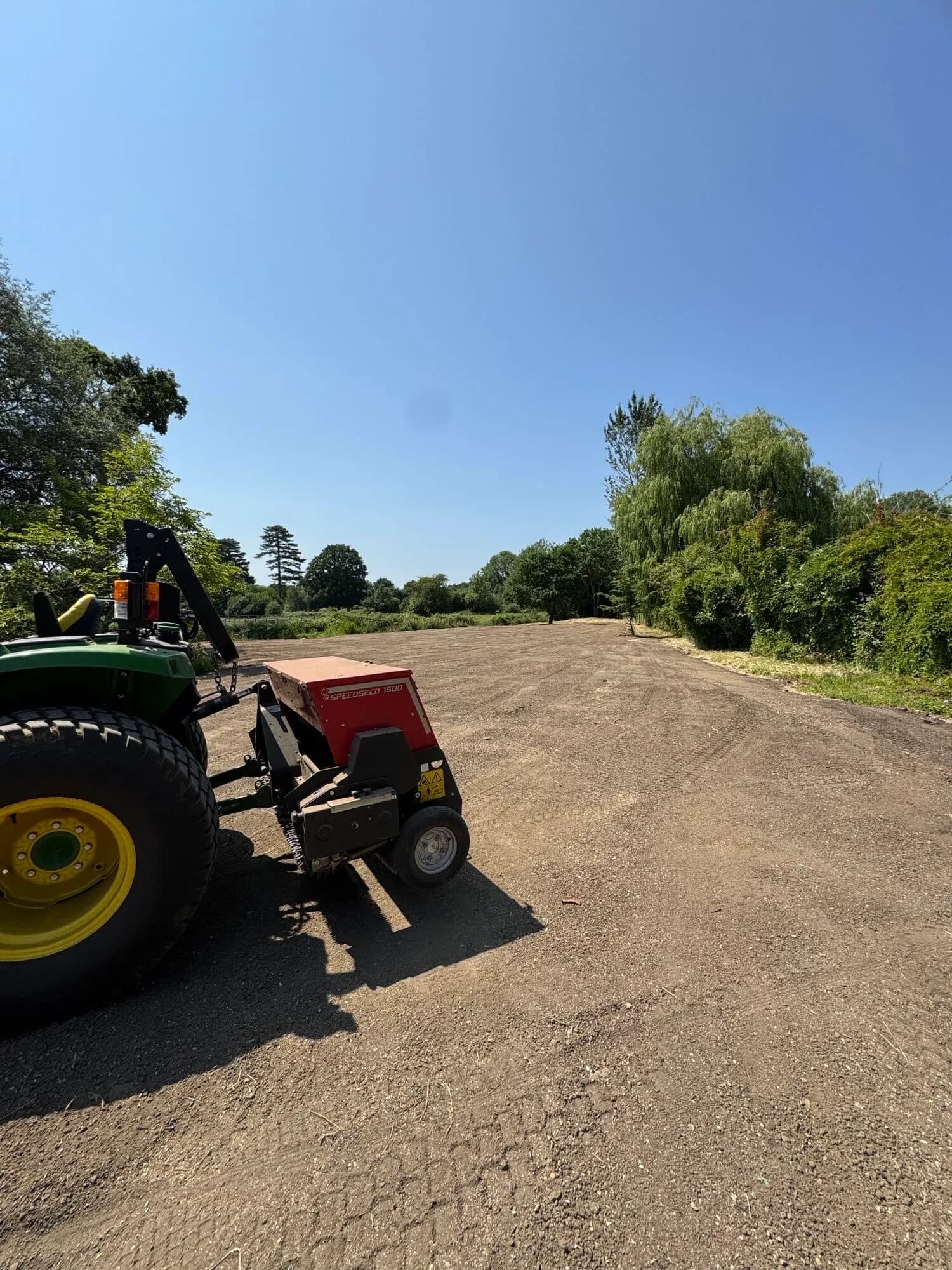
As for technique, broadcasting by hand is fine for small areas, but using a spreader gives better coverage across larger patches or full fields. After you’ve sown the seed, you’ll want to lightly rake the surface again to mix the seed into the top layer of soil.
Finish it all off with a gentle watering. Avoid heavy soaking, which could wash the seeds away. Instead, keep the top of the soil moist with light watering once or twice a day until the grass begins to sprout.
Benefits Of Paddock and field Overseeding
Some people see overseeding as just a cosmetic fix. Truth is, it works a lot deeper than that. Besides making your lawn look greener and fuller, it actually strengthens the entire root system over time. Thicker grass means fewer chances for weeds to creep in, which reduces how often you need to treat or spray throughout the year.
Here are a few notable benefits of overseeding:
– Healthier, denser turf that cuts down on bare or thinning patches
– Rich green colour, giving the paddock a fresh, well-kept look
– Faster recovery from foot traffic and environmental stress
– Improved resistance to common grass diseases and pests
– Better water retention, which means less need for constant irrigation in dry weather
Picture an active family of horses who spent all summer on their field playing games and letting the dogs run wild. By autumn, sections of that paddock were worn thin and patchy. Come late winter, they decided to overseed. By the following spring, it was back to its best, thicker, more even, and needing less care. Regular mowing and seasonal fertilising kept it looking sharp without extra effort.
In short, overseeding adds back what your paddock loses over time through wear, weather, and age. It’s a chance to refresh without tearing everything out.
Keeping Your Paddock Healthy Post-Overseeding
Once you’ve overseeded, maintenance plays a big role in keeping things on track. Lots of people stop at seeding and never get the full benefits because they miss this step.
Watering is top priority. Keep the surface damp with light, frequent watering until the new grass really takes hold. After that, you can go back to normal watering about two to three times per week, depending on how much rain Hampshire gets through late summer.
As growth kicks off, avoid mowing too soon. Let the new blades get tall enough, usually about 5 to 7 centimetres, before you trim them down. And keep your mower blades sharp to prevent tearing the young grass.
Once your paddock starts to fill out, it’s good to lightly fertilise it. Go easy. Too much fertiliser can hurt more than it helps in these early stages. Use a mix that suits summer-to-autumn growth cycles in the UK, and focus on balanced nutrients instead of high-growth-only blends.
Keep an eye out for weeds too. Young turf is more prone to getting crowded out, especially if weeds were an issue before. Spot treating or having professional help on standby keeps that under control without damaging new shoots.
Long-term care is really just a case of sticking to what works:
– Mow regularly and avoid cutting too short
– Water deeply a couple of times a week in dry spells
– Keep foot traffic limited until growth is established
– Add a light fertiliser now and then based on the season
A few small changes to your routine can help that paddock stay green and full through to the next year and beyond.
Why Trust Hampshire Paddock Management for Your Field and Paddock Care Needs?
Overseeding sounds simple, but it’s one of those tasks where good technique, timing, and follow-through all matter. If you’ve never done it, or you’ve tried in the past and didn’t see much change, getting advice or hands-on support could save time and trouble.
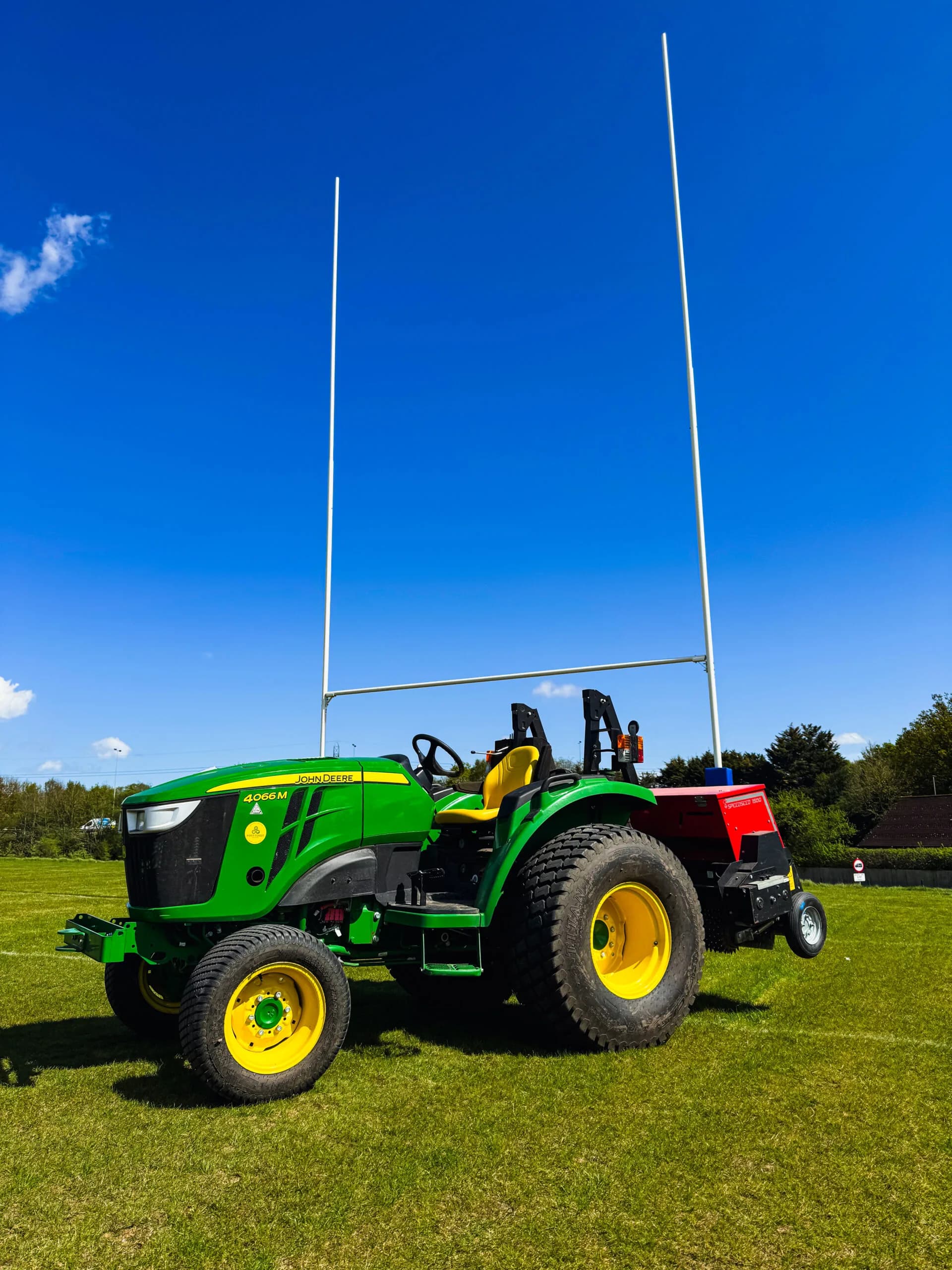
Our team understands local paddocks and fields. We know which seed blends perform best across Hampshire’s soils and weather conditions. We also carry the tools to aerate, seed, and support your paddocks’s recovery without trial and error. Whether it’s diagnosing underlying issues or carrying out the preparation, Hampshire Paddock Management is ready to help create a paddock you’ll love spending time on.
Smooth and Lush Fields Await
The good news is a rough-looking field doesn’t have to stay that way. Overseeding offers a clear path to thicker, healthier grass without tearing everything out or starting from scratch. Especially in summer where longer daylight hours and warm soil help seed germination, Hampshire fields can bounce back more quickly than you might think with the right care.
Every field needs a boost now and then. Overseeding is a smart, targeted way to give your grass what it’s been missing. Whether you’re dealing with garden wear or trying to get back that rich, even tone, the sooner you act, the better the results. With some expert work and ongoing support, your dream paddock is closer than ever.
Give your paddock the transformation it deserves with professional help. At Hampshire Paddock Management, we have the tools and experience to tackle lawn overseeding in the UK effectively. Trust us to rejuvenate your grass, making it lush and resilient through every season. Explore our services or reach out to our team today, and let’s get your outdoor space looking its best!