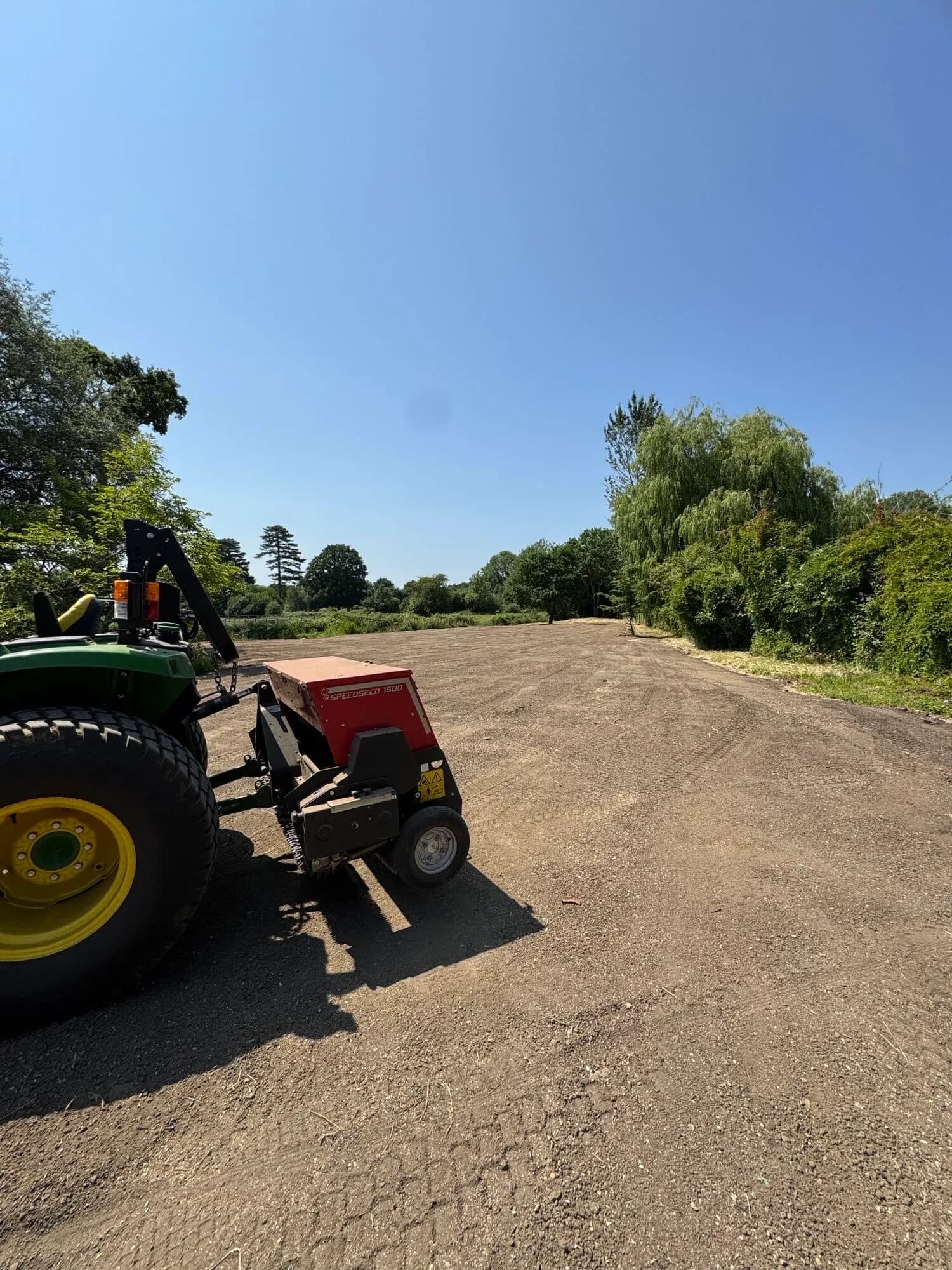
Discover solutions for weather, soil, and more to enhance smallholding management. Rely on Hampshire Paddock Management for expert support.
Introduction
Managing a smallholding in Hampshire can be deeply rewarding, but it’s not without its headaches. Whether you run a modest paddock or a compact farm, it takes planning, consistency, and a clear understanding of your land to keep everything ticking along. Many small landowners quickly learn that their patch of countryside demands year-round attention, and some of the most common challenges tend to sneak up when they’re least expected.
Keeping things manageable means staying ahead of the problems that tend to crop up most. From unpredictable weather patterns to tricky soil conditions, there’s no shortage of factors that can slow you down. Tackling the groundwork properly and knowing which solutions work well for the area can make a lasting difference. Here are some of the top issues small landowners in Hampshire face, and how to keep them under control.
Weather-Related Issues
You can’t control the weather, but you can plan for it. Hampshire sees its fair share of wet spells and occasional dry patches, and both ends of the spectrum can bring trouble if you’re not prepared. Heavy rainfall can lead to waterlogged fields or muddy paddocks, while a dry summer can turn grassland yellow and brittle, making it harder to feed livestock or grow anything meaningful.
The condition of the ground plays a major role in how much damage the weather causes. If you’ve got poorly draining soil, standing water becomes a common visitor. On the flip side, baked ground after a hot stretch might crack up and stunt grass growth. That’s why weather awareness needs to go hand-in-hand with preventive measures.
Here are a few practical suggestions:
– Improve drainage in low-lying areas using ditches, drains, or hard surfacing where needed
– Use open-fronted field shelters for livestock, providing animals with a dry space when it’s wet and shade when it’s hot
– Choose grass seed mixes that suit Hampshire’s changing conditions, including drought-resistant varieties where needed
Walking your fields regularly can help you spot problem areas early. If there’s a spot that’s always muddy or always dry, chances are it needs more attention than standard upkeep provides.
Soil Management
What’s under your feet might be working against you without you realising it. In Hampshire, smallholders often deal with clay-based soils, sandy patches, or even a mix of both. One might hold water too long, while the other drains too quickly. If your soil is poor, every other job becomes harder, and the overall output of your land dips.
Luckily, soil health can be improved with steady effort and some smart choices. Even basic soil tests can reveal a lot about pH balance and nutrient content. From there, you’ll know whether you need to adjust acidity, improve structure, or simply feed the land differently.
Some steps you can take include:
– Use compost or well-rotted manure to improve soil structure and fertility
– Avoid compacting the soil by limiting machinery use after rainfall
– Add lime or gypsum according to soil test results to correct pH or increase drainage
– Rotate grazing animals to give sections of land time to recover and avoid overuse
Signs like patchy plant growth or surface cracking might not seem too bad at first, but they’re often early warnings that soil health is slipping. Addressing these symptoms early gives your land a better chance of staying productive year-round.
Weed And Pest Control
Even when everything else is in place, weeds and pests can undo your good work fast. Hampshire smallholdings often see an uptick in persistent weeds like nettles, thistles, and docks, especially in less-trafficked corners. These plants spread quickly and compete fiercely with good grass, reducing available forage.
Pests add another layer of difficulty. Leatherjackets and chafer grubs damage roots, while moles tunnel underneath, disrupting pasture and occasionally injuring livestock. The worst part is they can go unnoticed until the effects are more serious and harder to fix.
Here’s how to reduce weed and pest headaches:
– Walk your land weekly and keep an eye out for early signs along fence lines and shaded areas
– Use selective herbicides that are safe for pasture and livestock
– Keep hedgerows trimmed to limit pest habitats
– Call in local services at the first sign of an infestation to avoid the problem expanding
Weed and pest prevention can seem like low-priority jobs until they get out of hand. Staying a step ahead saves a lot of time and expense later.
Efficient Use Of Land
There’s only so much space to go around, especially when trying to fit animals, storage, growing plots, and shelter all into one holding. Without a good plan, it’s easy for one area to become worn out while others stay underused.
Many smallholders find success with smarter layout strategies. For example, temporary fencing lets you rotate grazing and give sections of your paddock time to rest. Shared structures like moveable shelters or feed bins on wheels let you adapt as needed and reduce long-term wear in one place.
Try these approaches:
– Use rotational grazing to keep your pasture healthy and productive
– Combine structures where possible, like placing your compost area near your feed station
– Introduce multi-use setups such as having chickens lightly till soil after livestock has moved on
Getting the most out of your land means creating a layout that helps day-to-day tasks run more smoothly. Once things are set up in a way that aligns with your routine, chores tend to feel lighter and the land stays in better shape.
Maintaining Healthy Livestock
Healthy animals make everything easier. They grow better, breed stronger, and cause far fewer issues. But keeping livestock fit isn’t always down to big treatments or expensive supplements. Often, it’s the simple routines that keep problems at bay.
Stress from poor shelter, hard ground, or contaminated feed can pile up fast. That means checking in frequently and staying alert to small signs like changed behaviour, uneven eating patterns, or reluctance to graze.
Here’s what helps:
– Schedule health checks with a local vet to catch issues early
– Keep bedding dry and rotate it often
– Place food and water stations where access is easy and footing is dry
– Store winter feed in clean, dry conditions to prevent spoilage
There was one case where a Hampshire keeper noticed sheep were avoiding a certain patch of field. A closer look showed drainage was poor and flies had taken over. Fixing the slope and sealing off the area for a few weeks made a big difference, and the flock returned to that section once it had recovered.
Good livestock care filters into every other part of the smallholding. Healthy animals make better use of raised feed, produce better manure for the soil, and create less pressure on the land overall.
A Smarter Way to Stay on Top of It All
No matter how well you plan, some part of the smallholding always needs attention. But working smarter, not harder, helps lighten the load. Spotting challenges before they grow allows for smaller, manageable fixes instead of big, stressful ones.
In Hampshire, most smallholders run into the same main issues: unpredictable weather, tough soils, weed spread, pests, tight layouts, and livestock strain. The good news is, they’re all solvable. With a proactive approach and routines that make life easier, the everyday demands don’t have to feel overwhelming.
You don’t need to handle everything solo either. With the right help, support, and tools, even the trickier maintenance jobs become easier to manage year-round.
If you’re looking to stay ahead with steady routines and reliable support, Hampshire Paddock Management is here to help. Learn how our smallholding management services can make day-to-day upkeep easier and keep your land working at its best year-round.