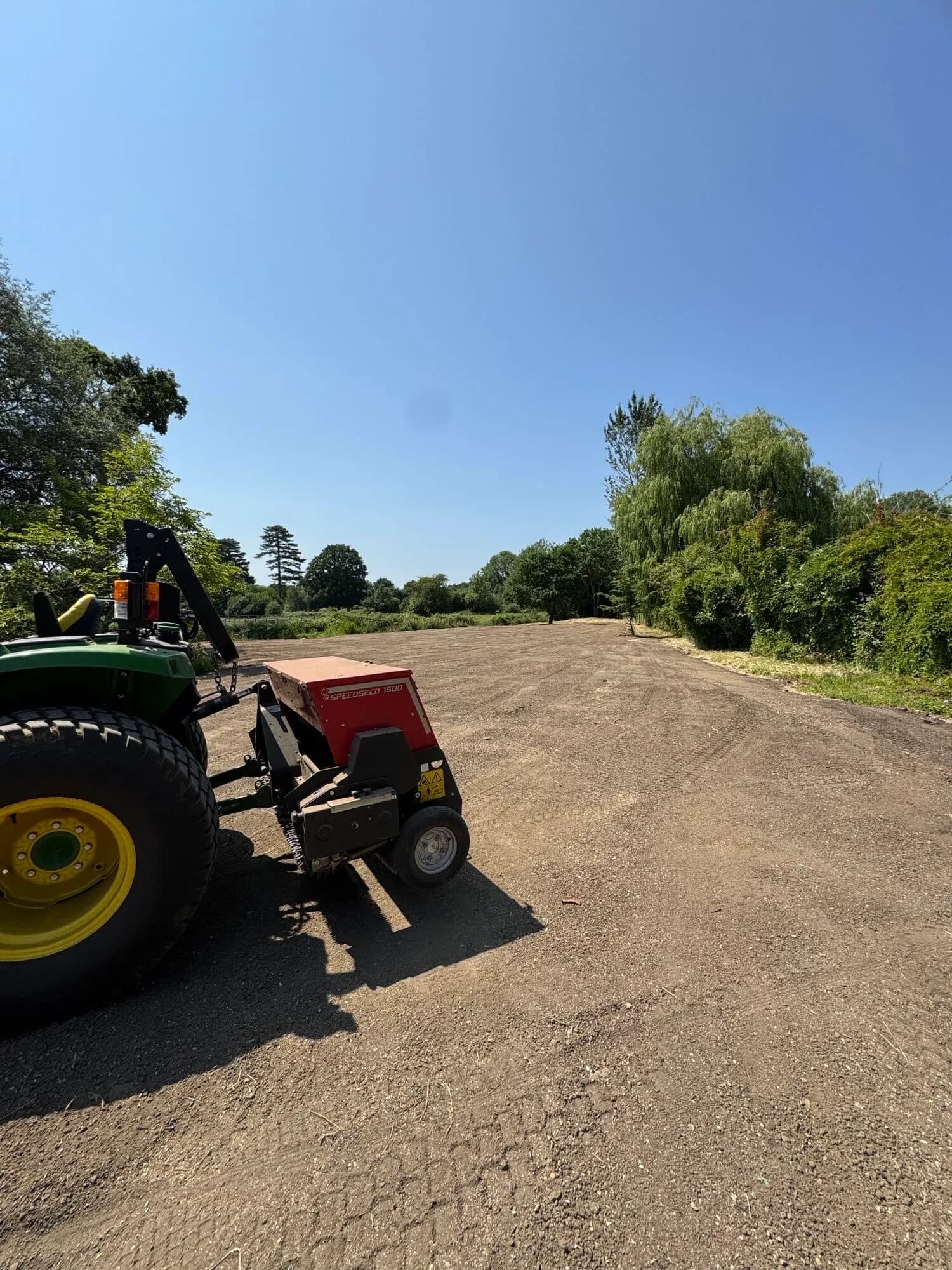
Learn how paddock rolling improves land health and ease of management. Discover effective solutions from Hampshire Paddock Management today.
Introduction
Uneven ground in a paddock might look like a minor issue at first, but it can quickly turn into a bigger problem for both the land and the animals on it. Dips, bumps, and ruts in the turf can make grazing more difficult, strain hooves and ankles, and cause poor drainage that harms grass growth. Even regular tasks like mowing and harrowing become more of a challenge when the surface isn’t flat.
Fixing those problem spots isn’t just about good looks either. Keeping the ground even supports healthy soil structure, helps paddocks recover faster after wet weather, and makes day-to-day care easier. Understanding how and why the ground becomes uneven, and what you can do about it, goes a long way toward keeping your paddock healthier and easier to manage throughout the year.
Causes Of Uneven Ground In Paddocks
A number of everyday activities can lead to a bumpy or rutted paddock over time. Just walking across it a few times a week might not seem like a big deal, but livestock and machinery add up to a lot more pressure than most people realise.
Some of the most common causes of uneven ground include:
– Heavy traffic: Regular use of tractors, ATVs, and other machinery, especially during wet weather, can compact and shift the soil beneath the surface.
– Grazing patterns: Livestock tend to follow routine paths and gather in the same spots. Over time, this results in worn patches, animal tracks, and uneven wear on the turf.
– Natural settling: After ploughing or digging, the soil doesn’t always settle evenly. Over weeks and months, you might notice low spots develop.
– Weather extremes: Extended dry spells can cause soil to crack and shrink, while heavy rainfall leads to pooling and erosion that shifts the ground.
– Foot rot or trench damage: In some areas, animals create narrow paths that become deeper with each passing week, especially in wet seasons.
For example, if you’ve ever tried to tow a field harrow across land rutted from spring muck spreading, you’ll know how jarring it can be. Flattening these areas not only protects your equipment but also your livestock and pasture alike.
Benefits Of Paddock Rolling
Rolling a paddock smooths out the uneven areas and offers more than just a tidy appearance. It brings genuine improvements that affect both short-term use and long-term land health. Once the ground is level, everything from growth to grazing becomes easier.
Some of the key benefits of paddock rolling are:
– Improved soil contact for grass seed after reseeding or overseeding
– Better surface consistency for mowing, spraying, or harrowing
– Smoother conditions that reduce stress on hooves and joints
– Less risk of standing water and patchy grass caused by poor drainage
– Firmer ground structure that supports even grazing across the field
Beyond these practical points, there’s the added bonus of knowing your paddock is safer and easier to manage. Uneven ground can catch livestock off guard, lead to slips or trips, and make day-to-day tasks more of a hassle than they need to be. Rolling helps create a cleaner, more predictable surface so both you and your animals can move through the area with confidence.
The Paddock Rolling Process
Paddock rolling isn’t just about dragging a heavy roller across the field and calling it done. There’s a clear process that helps get the most out of the job, both in effectiveness and long-term outcomes. Each step supports the soil and field conditions so the work doesn’t undo itself days later.
Before rolling begins, the land should be checked properly. Large stones need removing, and any soft patches from recent rain should be allowed to dry out. Rolling wet ground can compact it too much and cause more harm than good. In Hampshire, August typically brings firmer ground after summer heat, which can be a good window to plan rolling if recent rains haven’t softened things too much.
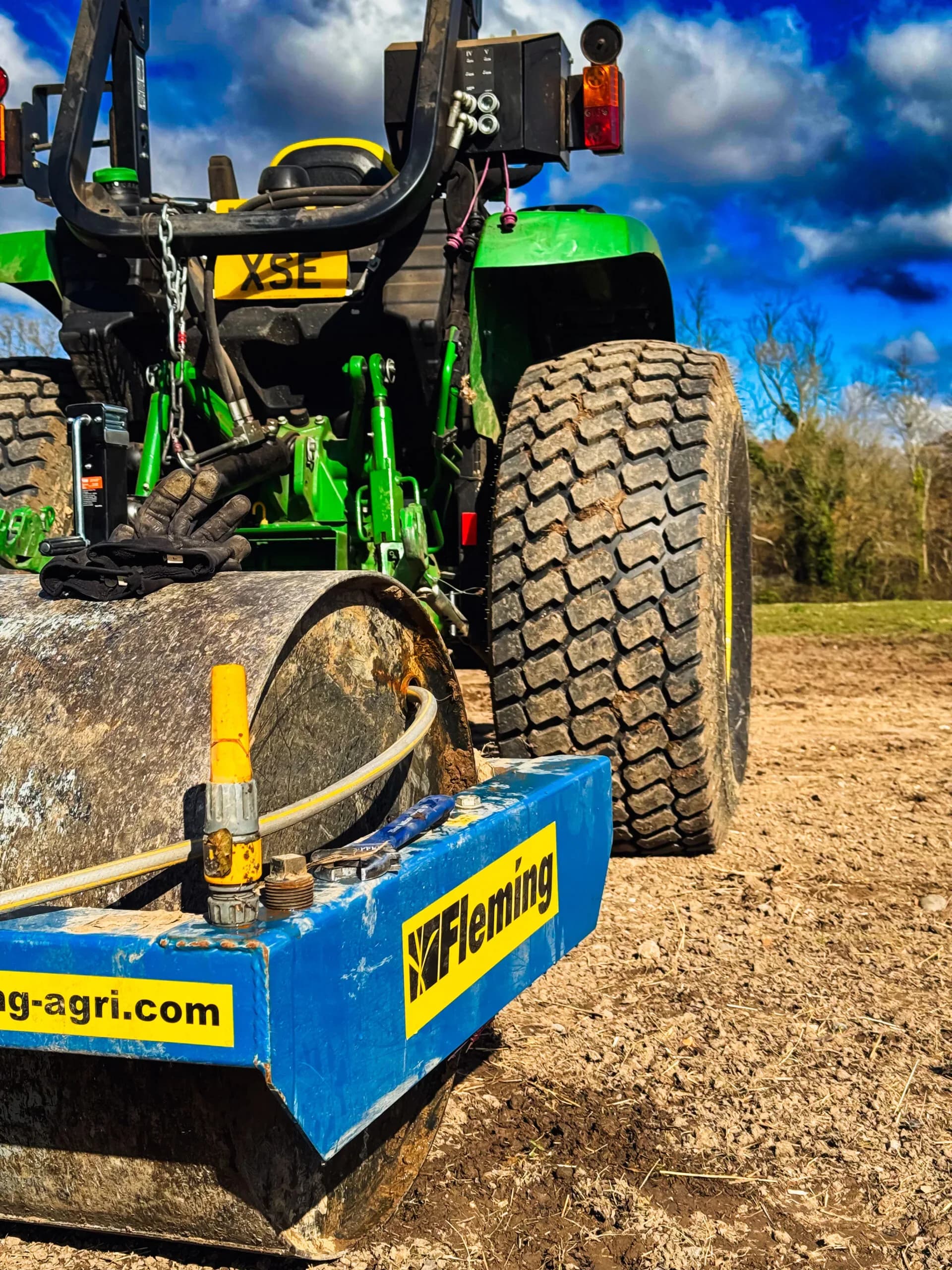
The right equipment matters too. A flat roller is often used for level areas, but knobbled or water-ballasted rollers can work better on more heavily trampled ground. The aim is to evenly press the surface, not squash the life out of it. Paddocks shouldn’t feel like a car park when the job’s done.
The usual rolling steps look like this:
1. Start with a full walkover to check for hazards like molehills, debris, or holes
2. Mark out any very uneven or wet parts to avoid during this pass
3. Use the roller in overlapping strips, travelling lengthways down the paddock
4. On follow-up passes, roll at a slight angle to the first run to avoid ruts
5. Let the field settle for a few days if possible before hosting stock or machines
Done right, paddock rolling can help reset the surface without causing soil compaction or damage. Timing, technique, and equipment all play a role in getting the best out of the process.
Best Times To Roll In Hampshire
Knowing when to roll is just as important as knowing how. The timing should depend on both the seasonal weather patterns and how the land is used. Miss the right window, and you might do more harm than good, particularly if the ground is too soft or dry.
In Hampshire, late spring and late summer are usually the most suitable times for paddock rolling. By mid to late August, most fields have dried out from the spring rains, and the soil has enough give to be shaped without becoming overly compacted. This period is ideal for smoothing over summer hoof damage or patchy growth heading into the autumn.
Avoid rolling in soaked conditions, like after heavy summer downpours, and during long dry spells when the ground bakes too hard. These extremes don’t allow proper settling post-roll.
You can spot signs your paddock might need rolling if:
– You trip over uneven patches or see clear hoof prints hardened into the soil
– Grass doesn’t grow evenly across the paddock
– There are frequent puddles or water pooling after rain
– Animals seem to favour a few paths and avoid bumpy spots
A quick test? Push a spade into the ground. If it’s too soft, wait a few days. If it’s rock hard, wait for a gentler spell. Rolling just for the sake of it can be wasteful. Instead, keep an eye on signs from both the field and the season.
Rolling with Experience and Care
While paddock rolling sounds straightforward, experience makes all the difference in how well it turns out. Those with the right equipment and know-how can spot early signs of trouble before they turn into big ruts and holes. They’ll know where not to roll and how to match technique with soil type, slope, and recent weather.
Good rolling routines aren’t just reactive. They become part of the paddock’s long-term care plan. Rather than waiting until the field’s a mess, regular maintenance keeps things tidy and easier to manage over time. A well-looked-after paddock takes less effort to run, grows better grass, and avoids the need for costly repairs or reseeding.
Rolling fits well into broader land maintenance efforts too, whether you’re prepping for reseeding, smoothing after heavy stock use, or getting things ready before a big season change. Having someone familiar with Hampshire land and local weather patterns can really help make paddock rolling part of smart field management, not just a one-time fix.
Keep Your Ground Working for You
An uneven paddock isn’t something to ignore. Once the ground starts shifting, everything from grazing to grass growth becomes harder. Rolling is a practical way to restore the land and support better use all year round. It smooths out damage, limits water build-up, and helps keep your paddock functional and easier to work with.
Ongoing maintenance goes a long way. You’re not striving for perfection, just steady progress. A level paddock handles hoof traffic better, drains more naturally, and lets machines do their job without unnecessary effort. Over time, these improvements lead to real, long-term gains for your livestock, your equipment, and your peace of mind.
Ensure your paddocks stay level, healthy, and easier to manage all year round by exploring professional paddock rolling services designed for Hampshire’s unique terrain. Count on Hampshire Paddock Management to keep your land in great shape with trusted local expertise.